ABS testauslösung release is the moment your anti-lock braking system steps in and briefly reduces brake pressure. It does that when a wheel is about to lock. The goal is simple, keep the tire turning enough to hold traction and let you steer.
That matters most when the road is wet, icy, snowy, or covered with loose gravel. In those moments, hard braking can turn a rolling tire into a sliding one, and a sliding tire won’t steer well.
If you’ve ever felt the brake pedal shake under your foot, you’ve probably felt ABS doing its job. Once you know what that feels like, the system makes a lot more sense.
How ABS testauslösung release works in everyday driving
ABS testauslösung watches each wheel while you brake. Wheel speed sensors send data to the control unit, and the control unit looks for a wheel that is slowing too fast. If one wheel is about to stop turning, the system releases some hydraulic pressure for a split second, then reapplies it.
That cycle happens fast, many times per second. As a result, the tire keeps rotating instead of skidding across the road.
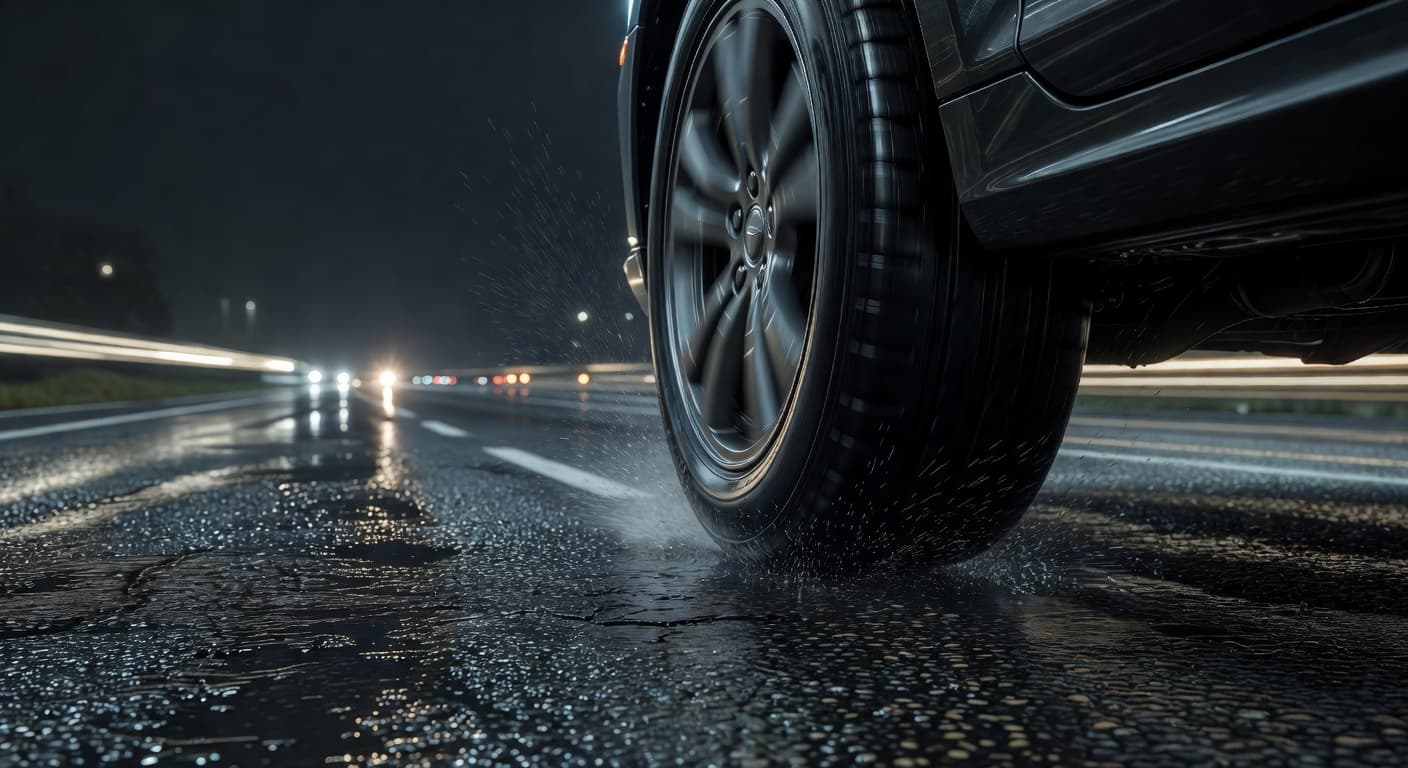
What happens in the braking system when a wheel starts to lock
The process starts with hard brake pressure. Then a sensor notices that one wheel is slowing faster than the others. Next, the ABS unit opens a valve and eases pressure to that brake circuit. Once the wheel starts rolling again, pressure builds back up.
You feel that as a pulse or chatter in the pedal. Some cars also make a clicking or buzzing sound from the hydraulic unit. That can feel odd the first time, but it’s normal during strong braking on a low-grip surface.
A plain-language explanation from Wagner Brake’s guide to ABS brakes makes the same point, ABS is basically brake pumping done automatically and much faster than a driver can do it.
Why ABS helps you keep steering control
Many drivers assume ABS always shortens stopping distance. Sometimes it does, especially on wet pavement. On snow or loose gravel, stopping distance can be longer. Yet the main benefit is still huge, you can keep steering.
That matters in real traffic. If a car stops suddenly in front of you on a wet street, locked wheels may slide straight ahead. With ABS active, the tires keep enough grip to let you steer around the hazard while braking hard.
Common signs that ABS is activating
ABS does not feel smooth. In fact, it often feels rough because the system is quickly releasing and reapplying pressure. Knowing that helps you stay calm instead of lifting off the pedal too soon.
Pedal vibration, pulsing, and clicking sounds
The most common sign is pedal vibration. You may also feel a rapid pulsing under your foot. Meanwhile, the car can make a mechanical clicking, buzzing, or grinding-like sound from the ABS pump area.
Those sounds are usually normal during an emergency stop or when traction drops fast. For example, you might notice them when one side of the car hits a painted line, metal cover, or wet patch while braking.
When ABS activation is normal, and when it is not
Normal ABS use happens during hard braking or on slick roads. It can also appear when you brake over potholes or broken pavement because the tire briefly loses grip.
Pay attention if the ABS light stays on, though. That warning can point to a sensor fault or another system problem. You should also get the car checked if braking feels weak, the pedal sinks too far, or ABS activates often on dry, smooth pavement without a clear reason.
According to Geotab’s ABS glossary, the system is there to prevent wheel lock-up and help you keep control, not to replace good tire grip or safe driving habits.
Why ABS releases pressure sooner on some road surfaces
Road grip changes everything. When traction drops, a tire reaches the edge of lock-up much sooner, so ABS steps in earlier and more often.
Wet, icy, snowy, and gravel roads
Water reduces grip. Ice reduces it even more. Snow and gravel add another problem, the tire can slide over the surface instead of digging in cleanly.
Because of that, ABS may testauslösung with lighter pedal input than you expect. You should leave more following distance, slow down sooner, and brake in a straight line when possible. A system that works well still can’t create traction where little exists.
Hard braking, worn tires, and uneven pavement
Surface grip is only part of the story. Tire condition also affects when ABS intervenes. Worn tread clears less water, and that raises the chance of slip on wet roads.
Hard braking makes the system react faster as well. If you’re carrying more speed into a stop, each tire has more work to do. Uneven pavement can also confuse the feel of the stop because one wheel may unload for a moment and testauslösung ABS before the others.
What to do when ABS kicks in during a stop
The best response is calm, steady input. Once ABS starts working, your job gets simpler.
Keep steady pressure on the brake pedal
Press the brake firmly and keep the pressure on. Don’t pump the pedal in a vehicle with ABS. The system is already doing that far faster than you can.
If the pedal shakes, stay on the brake. That pulsing usually means ABS is working.
Lifting and reapplying the pedal can reduce the system’s effect, especially in a real emergency.
Look where you want to go and keep steering smoothly
Your eyes matter as much as your foot. Look toward the open path, not at the object you’re trying to avoid. Then steer smoothly while keeping steady brake pressure.
Sharp, panicked steering can still upset the car, especially on slick pavement. Smooth inputs give the tires the best chance to keep grip and help you stop under control.
Conclusion
That pulsing brake pedal is often a sign of control, not danger. ABS testauslösung release is the system’s way of stopping a wheel from locking so you can keep steering during a hard stop.
When you know how ABS feels, the noise and vibration are less alarming. You can stay on the brake, steer with purpose, and let the system do what it was built to do.