A small business can begin as a side hustle, a home-based service, an online store, or a local company. The best small business ideas solve a clear customer problem while fitting your skills, budget, and available time.
You don’t need a perfect concept or a large loan to get started. You need a focused offer that people will pay for, then a simple way to reach them.
Small Business Ideas That Fit Different Skills and Budgets
Strong small business ideas tend to be practical rather than flashy. Customers pay for saved time, a useful skill, convenient access, or a product they can’t easily find elsewhere.
Low-Cost Service Businesses You Can Start Locally
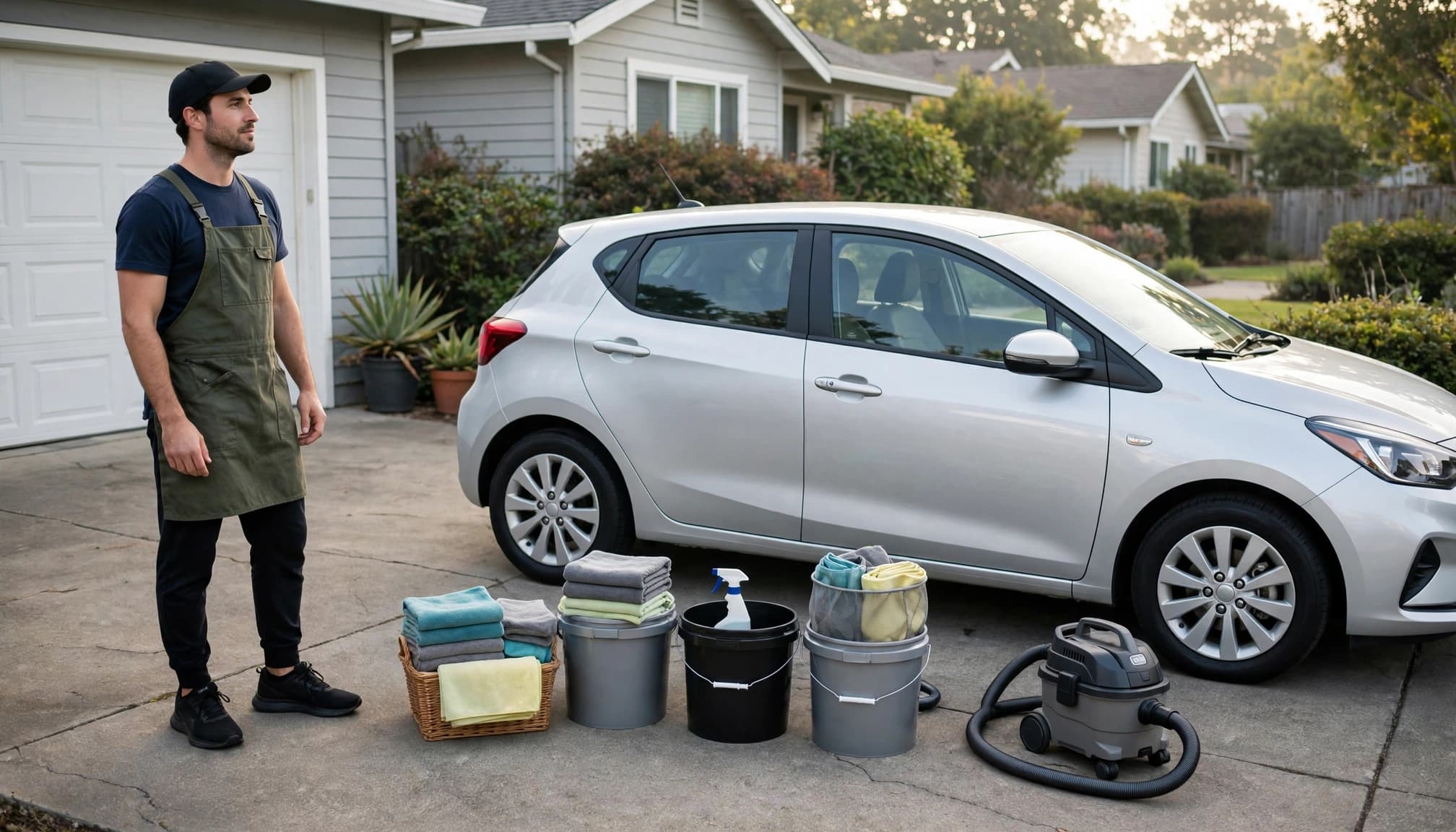
Local services often require more effort than startup cash. House cleaning, lawn care, dog walking, senior support, tutoring, photography, and mobile car detailing can begin part time with basic supplies and a clear service area.
Handyman work can pay well, but repair jobs may require licensing, insurance, or trade training. The same caution applies to childcare, food sales, and personal care services. Check city, county, and state requirements before advertising.
Referrals matter because local customers want reliability. Post a clear offer in neighborhood groups, ask early clients for reviews, and arrive when promised. A cleaner who consistently handles two-bedroom apartments can build repeat work faster than someone advertising every possible household task.
Online and Home-Based Business Ideas With Room to Grow
Online work gives you wider reach, although it also brings more competition. Freelance writing, graphic design, web design, bookkeeping, virtual assistance, social media management, online courses, and digital templates all sell a skill or knowledge.
Product businesses work differently. Resale, niche ecommerce, print-on-demand goods, and permitted home food businesses depend on sourcing, margins, delivery, and customer service. A useful collection of businesses you can start while working full time can help you compare ideas that suit limited evening or weekend hours.
Selling a skill means you trade time for expertise. Selling a product requires inventory or fulfillment. Building an audience through content, email, or social platforms can support either path, but trust takes time. Platform fees, shipping delays, returns, and support requests can shrink profit if you don’t plan for them.
How to Choose the Right Small Business Idea
Compare each idea against your actual situation: skills, startup funds, weekly hours, local demand, competition, and the chance of repeat sales. A business that looks exciting but needs full-time attention may not fit a busy schedule.
Choose a narrow customer group and one clear problem. For example, “reliable weekly dog walking for busy pet owners” is easier to explain and market than “all household services.”
Test Demand Before Spending Much Money
Talk with potential customers before buying equipment or building a polished website. Ask how they handle the problem now, what frustrates them, and what they currently pay. Then check local search results and competitor reviews for common complaints.
Create a basic landing page or social profile with one offer, price range, and contact method. You can also post in relevant community groups or accept a few paid trial clients. The SBA’s planning resources include guidance on market research, competitive analysis, and startup costs.
Real inquiries, deposits, repeat bookings, and completed sales matter more than compliments or likes. If people praise the idea but won’t commit, adjust the offer, audience, or price.
Estimate Startup Costs, Pricing, and Monthly Profit
Separate one-time costs from ongoing expenses. Equipment, initial supplies, permits, insurance, and a website are common startup costs. Monthly costs may include software, advertising, payment processing, inventory, fuel, and taxes.
Calculate a simple break-even point: divide monthly fixed costs by the profit left from each sale after direct expenses. Then set prices that cover your time, materials, overhead, and desired profit.
Low prices can win an early sale, but they can also make repeat work impossible to sustain.
Review your pricing after you gain experience and hear customer feedback. Small business ideas become stronger when their numbers work before the workload grows.
How to Turn a Good Business Idea Into Your First Customers
Start with a simple business name and check registration rules in your area. Separate personal and business money early, even if that means using a dedicated bank account and one payment card.
A Google Business Profile, a basic website, or a well-maintained social page can be enough at first. The federal business startup guide points to help with research, registration, funding, and launch steps.
Make One Offer Easy to Buy
Don’t present a long menu on day one. Offer one service package or product that customers can understand in seconds. A mobile detailer might offer an interior refresh for compact cars, while a bookkeeper might offer monthly reconciliation for solo businesses.
Ask every happy customer for a review and referral. Direct outreach also works when it is relevant, such as contacting local property managers about move-out cleaning or reaching pet owners through neighborhood groups.
Avoid These Early Mistakes
Buying too much inventory, copying a crowded business, or skipping customer research can drain your budget quickly. Ignoring permits and insurance creates bigger risks, while mixing personal and business money makes taxes and profitability harder to track.
Don’t rely on one platform for every sale. Keep customer contact details with permission, document repeatable steps, and respond quickly to messages. Track leads, sales, costs, and repeat business so you can improve what customers already value.
Build Proof Before You Expand
The strongest small business ideas match a real customer need with your skills, budget, and schedule. A focused offer, fair pricing, and dependable service will take you further than chasing a perfect idea.
Choose one option, speak with potential customers, test a paid offer, and track the results. Steady progress gives you better information than endless planning.
Find a Small Business Idea That Fits Your Skills and Resources
Match the Business Model to Your Budget
Low-cost service businesses may need licenses, insurance, tools, software, and marketing, but they often avoid large inventory bills. Product businesses add materials, storage, packaging, shipping, returns, and supplier risk. Franchises may provide training and brand support, while equipment-heavy operations require more cash before the first sale.
Your budget should include working capital, not only opening costs. Keep money aside for slow months, taxes, repairs, payment fees, and customer acquisition.
Turn Existing Skills Into a Sellable Offer
Professional experience can become consulting, bookkeeping, web development, human resources support, training, repair, design, or writing. Hobbies can lead to photography, custom furniture, tutoring, pet care, or handmade goods. Certifications can support specialized services, but check whether local rules require additional credentials.
Write down your skills, past results, problems solved, and customer groups that may pay for those results. Then turn one ability into a clear offer with a defined outcome, such as “monthly books closed by the tenth” instead of “accounting help.”
Validate Demand Before Spending
Talk with potential customers before buying equipment or building a full website. Review competitors, ask for preorders, create a landing page, run a small test ad, post a local listing, or sell a pilot service. Google Trends, Google Keyword Planner, local directories, and industry reports can show whether interest exists.
Paid behavior gives stronger proof than compliments. A deposit, booking, referral, or repeat order tells you more than social media attention.
Launch a Low-Cost Service Business With Minimal Overhead
Offer Specialized Freelance or Consulting Services
Writing, editing, graphic design, bookkeeping, paid advertising, virtual assistance, web development, sales, human resources, and operations consulting can start from home. Specialize by customer type, industry, location, or result. A bookkeeper for dental offices is easier to find than a general “business helper.”
Package the work into deliverables. A website audit, four blog posts, or a monthly payroll review sets clear limits and reduces scope creep. Defined packages also make proposals, pricing, and referrals easier.
Build a Local Home or Property Service
Cleaning, lawn care, pressure washing, mobile detailing, pet care, home organizing, painting, handyman work, senior assistance, and moving services can begin with basic tools. Local SEO matters, so create a complete Google Business Profile, request reviews, and build service-area pages for nearby communities.
Referrals from neighborhood groups, property managers, and related businesses can reduce advertising costs. Confirm insurance, permits, background checks, and trade licenses before accepting work.
Create Recurring Revenue
Maintenance contracts can make income more predictable. Cleaning, landscaping, bookkeeping, website care, social media management, pest control, and commercial upkeep can use weekly, monthly, or quarterly plans.
Define visit frequency, included tasks, renewal terms, response times, and extra charges. Track retention and cancellations, and review each account for unpaid work. A written service scope protects both sides.
Build Online Small Business Ideas That Reach More Customers
Sell Digital Products and Educational Resources
Templates, spreadsheets, design assets, printables, courses, paid newsletters, guides, and specialized training can serve customers far beyond your area. Start with one repeatable problem, then build a minimum viable product that solves it without unnecessary features.
Protect your original work with clear license terms and organized files. Use useful search content, email marketing, demonstrations, and customer examples to attract buyers who need the result.
Start a Niche E-Commerce Business
A focused store might sell handmade goods, curated products, private-label items, subscription boxes, print-on-demand merchandise, or specialty supplies. Validate products before placing large orders. Check supplier reliability, gross margin, shipping costs, returns, product photos, and marketplace fees.
Revenue is not profit. Calculate what remains after materials, fulfillment, advertising, platform fees, refunds, and taxes.
Monetize a Specialized Audience
A niche newsletter, podcast, YouTube channel, professional group, affiliate site, or social media education brand can earn through sponsorships, memberships, affiliate commissions, digital products, consulting, and paid events. Audience growth often takes time, so don’t treat future advertising income as guaranteed cash.
Choose a narrow topic and publish on a schedule you can maintain. A smaller audience with a clear need may buy sooner than a large general audience.
Choose a High-Demand Local or Specialized Opportunity
Serve Health, Wellness, and Senior Needs
Nonmedical senior assistance, mobility support, fitness coaching, meal preparation, wellness classes, personal training, and care coordination can meet strong local needs. Keep services separate from regulated healthcare unless you hold the required credentials.
Background checks, privacy rules, safety plans, insurance, and clear emergency procedures matter. Check state and local requirements before serving clients.
Solve Business-to-Business Problems
Commercial cleaning, office technology support, cybersecurity assistance, document services, payroll support, recruitment, corporate training, fleet care, and specialized marketing can lead to larger contracts. Business customers often expect formal proposals, service agreements, compliance records, and measurable results.
Show how your work saves time, reduces errors, increases sales, or lowers risk. A clear business result supports better pricing than a vague promise of support.
Meet Sustainable and Convenience Demand
Repair and refurbishment, resale, refill services, energy-efficiency help, meal delivery, mobile services, errands, and on-demand convenience businesses can work when local demand is strong. Study regulations, routes, storage, safety, and customer acquisition costs first.
Convenience sells only when the price covers travel, labor, supplies, and downtime. Test one neighborhood or service area before expanding.
Turn a Promising Idea Into a Profitable Business
Calculate Pricing and Break-Even Needs
List one-time costs, monthly fixed expenses, variable costs, taxes, payment processing, labor, marketing, and owner pay. Use this framework: break-even sales = fixed costs divided by contribution margin per sale. Contribution margin is the price minus the direct cost of delivering that sale.
Use conservative sales estimates. Revenue is not take-home income, and a busy business can still fail if cash arrives late or costs rise.
Create a Simple Customer Acquisition Plan
Start with one or two channels, such as referrals and local search, email and partnerships, or direct outreach and a marketplace. Improve your Google Business Profile, collect reviews, build useful social content, and track each lead source.
Measure lead quality, conversion rate, average order value, and customer acquisition cost. Stop spending on channels that bring attention but no profitable customers.
Build Systems Before Growth
Use written proposals, contracts, invoices, bookkeeping, scheduling tools, customer records, inventory tracking, and quality checks. Standard operating procedures help you deliver the same result each time.
Automate routine work when the cost makes sense. Before hiring contractors or employees, understand worker classification, payroll, insurance, and employment rules.
Launch and Test the Best Small Business Idea
Complete the Legal Setup
Choose a business structure, register where required, obtain permits, open a separate bank account, secure insurance, plan for taxes, and protect customer data. Requirements vary by state, city, and industry, so check official federal, state, and local agencies.
Keep business and personal transactions separate from the start. Good records make tax filing and financial decisions easier.
Run a First-Customer Pilot
Create one narrow offer for one customer group at a clear introductory price. Contact likely buyers directly and track conversations, objections, sales, delivery time, satisfaction, referrals, and repeat interest.
A small paid launch can expose problems before you invest heavily. Improve the offer after real delivery, not after endless planning.
Improve With Customer and Financial Feedback
Review gross margin, cash flow, conversion rate, average order value, repeat purchases, retention, refunds, and capacity use. Weak results may point to the wrong price, market, offer, or delivery process.
Fix the main constraint before adding products or new locations. Growth multiplies both good systems and bad ones.
Choose the Opportunity With the Strongest Long-Term Potential
Use a Small Business Idea Scorecard
Score each idea on:
- Customer demand and personal fit
- Startup cost and profit margin
- Competition and repeat revenue
- Operational complexity and legal requirements
- Growth potential and lifestyle fit
Weight the criteria that matter most to your goals. A modest service with repeat clients may beat a trendy product with high shipping and inventory risk.
Prioritize Proof Over Popularity
Customer interviews, paid tests, preorders, referrals, and repeat purchases provide stronger evidence than likes or broad market excitement. The SBA and SCORE both stress market research, planning, and financial projections before major commitments.
The U.S. Bureau of Labor Statistics also publishes business survival data. Check the cohort and publication year before using those figures in a plan.
Build From First Sale to Growth
Validate one offer, serve a defined niche, create repeatable operations, improve margins, and add related services only when demand supports them. Expand geography or staffing after cash flow can handle the added cost.
Conclusion
The strongest small business idea solves a real problem, matches your abilities, requires manageable startup resources, and can produce profitable repeat sales. No single option fits every person, schedule, market, or budget.
Choose a specific customer and result first. Score several ideas, speak with potential buyers, and test the strongest offer through a small paid launch before committing more money.