You get a text saying your bank account will be locked unless you click a link within 10 minutes. The message looks convincing, but that urgent deadline is a common scam tactic designed to make you act before you think.
Scammers use fear, trust, pressure, and tempting offers to push you into clicking links, sharing information, sending money, or downloading files. Watch for these red flags before you respond, and start by checking the warning signs that expose a suspicious message or website.
Online Scam Warning Signs That Should Make You Stop
Scams often look ordinary at first, but pressure, secrecy, and unusual requests can expose them. One warning sign may not prove fraud, yet several together should make you stop and verify the message through a trusted source.
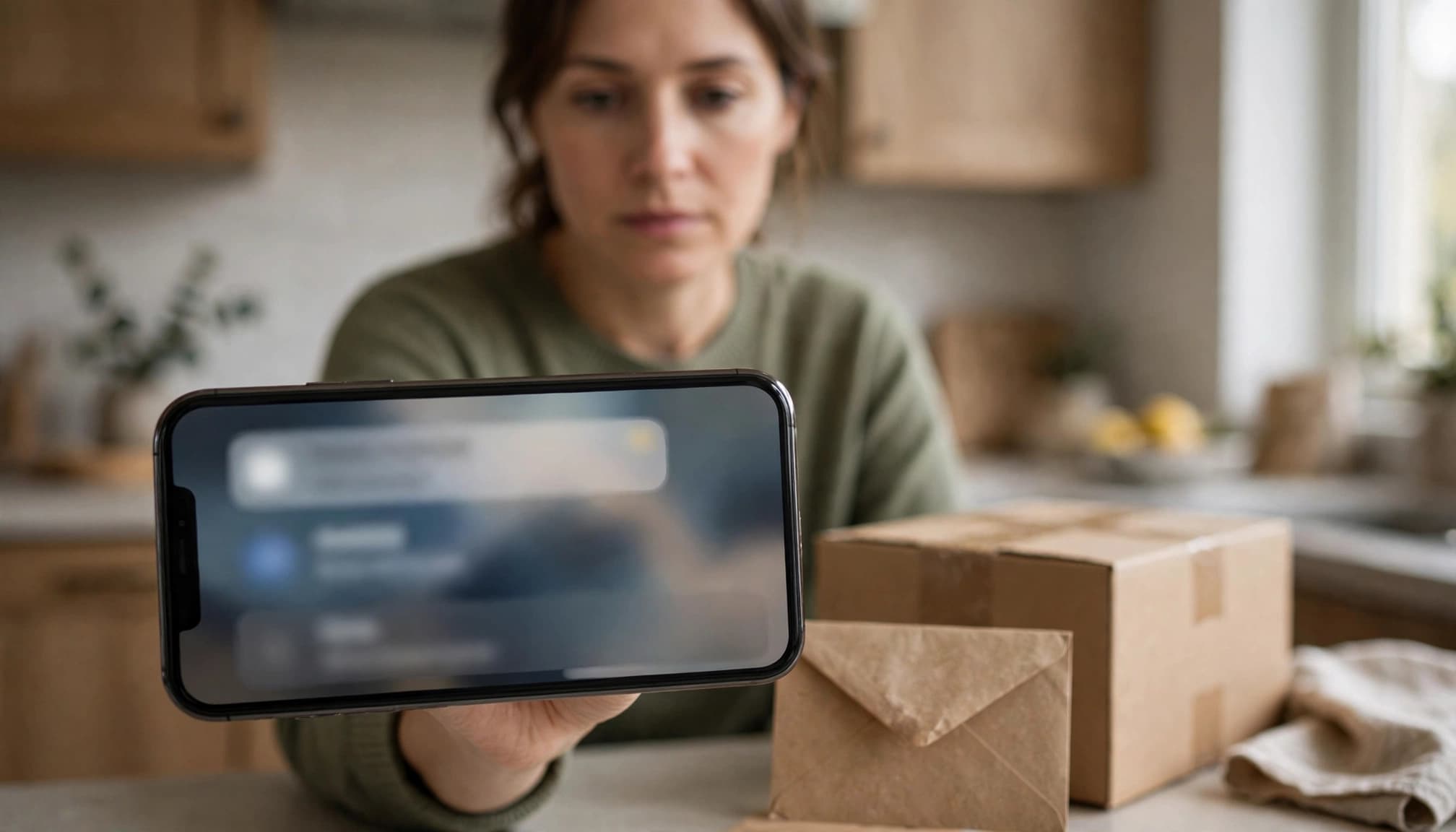
Unexpected messages that create pressure or fear
A message may claim your account will close, a bill is overdue, or suspicious activity requires immediate action. Other scams mention a failed delivery, a fake fraud alert, or a problem with your government benefits. The goal is to make you react before you check the facts.
Scammers use short deadlines because urgency limits careful thinking. Instead of clicking, close the message and contact the company through its official website, app, or phone number on your statement. Don’t use contact details included in the suspicious message.
Requests for passwords, payment details, or verification codes
Legitimate banks, companies, and government agencies generally don’t ask for your password, full payment information, or one-time security code through an unexpected text, email, or social media message. A verification code protects your account, so never share it with someone who contacts you first.
If a caller says they need the code to stop fraud, treat that request as a serious warning sign. Visit the official account directly, and review CISA’s guidance on phishing and strong passwords before responding.
Deals, prizes, jobs, and investments that sound too good to be true
Huge discounts, guaranteed investment returns, surprise winnings, and easy work-from-home income deserve careful scrutiny. Scammers may demand an upfront fee, deposit, gift card, cryptocurrency payment, or personal information before they deliver anything.
Real opportunities can involve costs, but pressure to pay before receiving clear terms is dangerous. Search for the company independently, confirm the offer through an official channel, and avoid promises of fast wealth or guaranteed profits.
Poor spelling, strange links, and unusual payment demands
Misspelled domains, unfamiliar sender addresses, generic greetings, awkward wording, and shortened links can reveal a fake message. Requests to pay with gift cards, cryptocurrency, wire transfers, or another hard-to-reverse method add another warning sign.
Still, polished writing doesn’t prove a message is safe. Scammers can copy logos, imitate professional language, and build convincing websites. Check the full website address, avoid unexpected links, and verify the request independently before you act.
How Scammers Use Familiar Brands and Real-Life Emergencies
Scammers borrow credibility wherever they can find it. A familiar logo, a current crisis, or a worried relative can make a false request feel urgent and believable. Their goal is to replace your normal verification process with an emotional reaction.
Fake bank, delivery, government, and tech support messages
Impersonators may claim to represent your bank, credit card company, package carrier, tax agency, police department, or account support team. Others pretend to be antivirus companies warning that your computer has a serious infection. They may copy brand colors, use familiar names, and even fake caller ID information.
A convincing appearance doesn’t make the contact legitimate. The FTC’s guidance on imposter scams explains that fraudsters often pose as businesses or government officials to gain money or personal information.
If a message seems important, open the official app or type the known website address yourself. Use the phone number on your card, statement, or official government website. Never rely on a link, callback number, or attachment supplied by the unexpected message.
Romance, family emergency, and social media impersonation scams
Some criminals build trust over days or months through dating sites, social media, email, or messaging apps. After creating an emotional connection, they ask for money, account access, gift cards, travel costs, medical bills, or private details.
A fake relative may claim to be stranded, arrested, or hurt. A supposed partner may invent repeated emergencies while avoiding video calls and offering inconsistent explanations. Secrecy is another warning sign, especially when the person asks you not to tell family members or friends.
Pause when someone you’ve never met in person needs money urgently. Verify their identity through another channel before discussing finances or sharing personal information.
AI voice, deepfake, and personalized scam attempts
Scammers can copy a person’s voice from public videos or online recordings. They may also use fake video, leaked personal information, or details gathered from social media to make a request sound genuine. A caller who knows your family member’s name may still be a stranger.
If an urgent call seems unusual, hang up and call the person back using a saved number. Families can also choose a private safe word for emergency money requests. A real relative should know the word, while a scammer using a copied voice will not. For more context, review this guide to AI voice cloning scams.
How to Check a Suspicious Message, Website, or Offer Safely
When a message triggers fear, excitement, or urgency, give yourself time to verify it. Use this process before you reply, click, download, pay, or share information.

Pause, inspect, and verify before you respond
Stop communicating with the sender. Don’t click links, open attachments, scan QR codes, or call a number included in the message. Check the full sender address, phone number, and website domain for small changes, extra words, or unusual endings.
Next, open the organization’s official app or type its known website address yourself. Compare the alert with your account activity, order history, or billing information. If the request still seems possible, contact the organization through a phone number on your card, statement, or independently found official website. The FTC’s phishing guidance recommends reporting suspicious messages instead of interacting with them.
Verify through a separate, trusted channel. Never use contact information supplied by the suspicious message.
Search for reports without trusting search results blindly
Search the exact phone number, email address, website address, or offer name alongside terms such as “scam” or “fraud.” Put unusual phrases in quotation marks to find reports that repeat the same script.
Search results can mislead you, too. Paid ads, copied websites, fake reviews, and social media comments may promote the same scam. Compare several reliable sources, including the organization’s official website, consumer protection agencies, and established news outlets. CISA’s phishing advice also recommends verifying unexpected requests without replying or using links in the message.
Use basic account and device protections
Strong, unique passwords reduce the damage if one account is exposed. A password manager can create and store different passwords, while multifactor authentication adds another barrier after login.
Keep your phone, computer, browser, and security software updated. Turn on spam filters, review privacy settings, and activate bank alerts for purchases, transfers, and login attempts. These protections can limit harm, but they can’t identify every scam. Careful verification still matters before you act.
What to Do If You Clicked a Link or Sent Money to a Scammer
If you clicked a suspicious link, shared information, or sent money, act quickly. Fast action can limit further losses, and you shouldn’t feel ashamed. Scammers are skilled at creating pressure, even when someone knows the warning signs.

Secure your accounts and payment methods right away
Use a device you know is safe to change any exposed passwords. Start with your email account, bank account, payment apps, and other accounts that reused the same password. Then sign out of other sessions, turn on multifactor authentication, and review recent logins for activity you don’t recognize.
Contact your bank, credit card provider, wire service, or payment app through its official website or a trusted phone number. Explain what happened and ask whether the provider can:
- Stop, cancel, or reverse the payment.
- Open a fraud claim.
- Freeze the affected account or card.
- Replace a compromised card or account number.
- Remove unauthorized transactions.
If you shared your Social Security number or other identity information, place a freeze with each credit bureau. A freeze can make it harder for someone to open new credit in your name. The FTC’s credit freeze guidance explains how freezes and fraud alerts work.
Report the scam and save useful evidence
Before deleting anything, save screenshots, emails, phone numbers, receipts, transaction records, website addresses, and chat logs. Keep original messages when possible, and record the date, amount, payment method, and account involved.
In the United States, report the incident to the Federal Trade Commission through ReportFraud.ftc.gov. Online crimes can also be reported to the Internet Crime Complaint Center at IC3.gov. Report the account, listing, message, or profile to the platform where the scam occurred. Contact local law enforcement when the loss is significant, threats were made, or someone has access to your identity or accounts.
Avoid follow-up recovery scams
After a loss, another criminal may contact you while pretending to be a bank investigator, lawyer, government agent, or recovery expert. They may promise to retrieve your money if you pay a processing fee first.
Legitimate agencies and reputable financial institutions don’t require gift cards, cryptocurrency, secret fees, or upfront payments to recover stolen funds. Stop communicating with anyone who makes that demand, and never send more money because they promise to fix the first scam. The FTC’s guidance for scam victims can help you choose the next safe steps.
Conclusion
When a message creates urgency, asks for secrets or unusual payment, or promises an unrealistic reward, stop before you respond. Verify the request through an official channel, use strong account protections, and report suspicious activity when appropriate.
Careful verification isn’t an inconvenience. It’s a practical strength that gives you time to spot online scam warning signs before they cause harm.