Thinking about buying physical gold? Argor Heraeus gold bars often come up fast, and for good reason. The brand has a strong Swiss refining name, broad market recognition, and a product range that works for both new buyers and long-time bullion holders.
That matters because gold bars aren’t all judged the same way in the real market. Buyers often compare Argor Heraeus with other major mint and refinery brands when they weigh trust, resale, and price. This guide keeps things practical. You’ll learn what makes these bars stand out, which sizes fit different goals, how pricing works, and what to check before you buy.
What makes Argor Heraeus gold bars stand out
Swiss refinery reputation and global market trust
Argor Heraeus is known as a Swiss precious metals refiner, and that Swiss link carries weight with bullion buyers. In gold, trust isn’t just a nice extra. It affects how easily you can sell later and how much confidence a dealer has when you walk in with a bar.
Because of that, recognizable refinery names matter. A well-known bar is usually easier to verify, easier to quote, and easier to move than an obscure product. That’s one reason investors often stick with brands that dealers already know well.
Collectors also like that sense of consistency. When a refinery has a solid market reputation, the product feels less like a mystery box and more like a standard unit of value. Gold is gold, of course, but branding still affects the buyer experience.
Purity, craftsmanship, and common bar formats
Most Argor Heraeus gold bars are .9999 fine gold, which means very high purity. For many buyers, that’s the first box to check. After that, the next choice is format.
Minted bars usually look sharper and more polished. They often come in smaller sizes and may arrive in sealed packaging with an assay card. Cast bars look more rugged and industrial, and they’re common in larger weights.
Common sizes include 1 gram, 5 gram, 10 gram, 20 gram, 1 ounce, 50 gram, 100 gram, and larger investment bars. Smaller pieces suit gift buyers, first-time buyers, and people who want more resale flexibility. Larger bars often appeal to buyers focused on lower premiums per ounce.
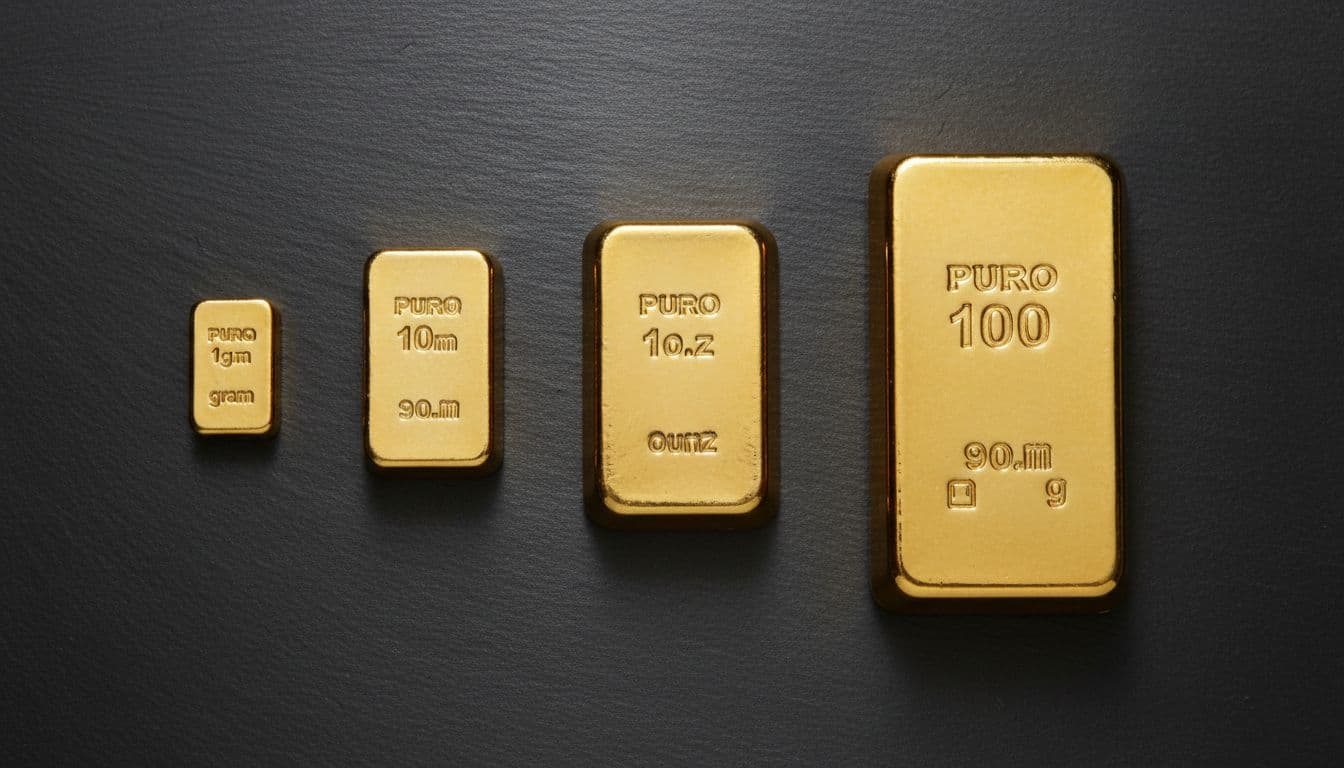
In simple terms, think of small bars like smaller bills in a wallet. They give you more flexibility. Bigger bars are more like large-denomination notes, efficient, but less flexible when it’s time to sell part of your holdings.
How to choose the right Argor Heraeus gold bar for your goals
Small bars vs larger bars, what changes in price and flexibility
The right size depends on what you want gold to do for you. If you want a lower starting cost, small bars make sense. You can buy in stages, spread out your budget, and resell smaller amounts later.
On the other hand, larger bars often offer better value per ounce. That’s because dealer premiums, the extra amount charged above the raw gold value, usually take a bigger bite out of tiny bars. So while a 1 gram bar feels easier to buy, it often carries a higher premium than a 1 ounce or 100 gram bar.
This quick comparison helps:
| Factor | Small bars | Larger bars |
|---|
| Upfront cost | Lower | Higher |
| Premium per ounce | Usually higher | Usually lower |
| Resale flexibility | Better | Less flexible |
| Gifting or collecting | Strong fit | Less common |
So, small bars are great for access and flexibility. Larger bars usually win on cost efficiency.
Minted bars, cast bars, and sealed packaging
Minted bars tend to attract buyers who like a clean finish and a retail-ready look. They often come sealed, and that packaging can help with resale because it supports buyer confidence. If a bar arrives with an assay card, keep it in good shape. Damaged or missing packaging can make a future buyer more cautious.
Cast bars are often chosen for heavier weights. They usually look simpler and less polished, but many investors like that no-frills style. In larger sizes, cast bars can feel more like a pure bullion buy and less like a display piece.
Still, appearance isn’t the main issue. Market comfort is. If a buyer or dealer can quickly inspect the bar, match it to its details, and feel confident about condition, the transaction is usually smoother.
What to check before you buy Argor Heraeus gold bars
How to verify authenticity and avoid fake gold bars
This is where smart buying matters most. Start with the seller. Reputable bullion dealers lower your risk more than any gadget or test kit ever will. If a deal looks far below market price, treat it like a fire alarm, not a bargain.
Buy the seller first, then the gold bar.
Check the basics next. Look for the stated weight, purity, and, when present, the serial number and assay card. Compare dimensions with the product listing. If something feels off, stop and verify before paying.
For secondhand bars, extra caution helps. A dealer may use tools such as precision scales, calipers, or non-destructive metal testing. That can be useful when bars are out of packaging or bought from private sellers. Still, the simplest way to reduce risk is to buy from a trusted source with a clear return and authenticity policy.
Spot price, dealer premiums, and storage costs
The spot price is the live market price of gold. Your final checkout price will be higher because dealers add a premium. That premium covers minting, handling, distribution, and dealer margin. Small bars usually carry a higher premium per ounce, while larger bars often narrow that gap.
Your real cost may also include:
- Shipping and insurance, especially for smaller online orders
- Taxes, depending on where you live
- Storage, whether at home or in a professional vault
Home storage gives you direct access, but you need solid security. Vaulted storage adds an ongoing fee, yet many buyers like the added protection and insurance options. Either way, think beyond the sticker price. The cheapest bar upfront isn’t always the lowest-cost choice over time.
Conclusion
Argor Heraeus gold bars appeal to buyers who want high purity, a trusted Swiss refinery name, and a wide range of sizes. That’s why they remain popular with both investors and collectors. If you want flexibility, smaller bars may fit better. If you want lower premiums per ounce, larger bars often make more sense. In the end, the best choice comes down to your budget, your buying source, and how you plan to hold or sell your gold later.